
How can a family tell when assisted living may be appropriate?
Assisted living may be worth considering when an older adult can no longer manage everyday tasks safely and consistently, even with occasional help from family or neighbors. The decision usually develops over time rather than being triggered by one isolated mistake.
A loved one does not need to be completely dependent before additional support becomes reasonable. Repeated falls, missed medications, spoiled food, unsafe driving, or growing difficulty with bathing and dressing may indicate that the current living arrangement is no longer working well.
In Coplay, seasonal weather can add to these challenges. Snow, ice, shorter winter daylight, and summer heat may make walking, errands, transportation, and household upkeep more difficult for someone whose strength or balance has changed.
What changes in personal care should families watch for?
Difficulty with personal care is one of the clearest signs that an older adult may need more structured assistance. Watch for changes in:
- Bathing or showering safely
- Dressing appropriately for the weather
- Brushing teeth, grooming, or managing incontinence
- Getting on and off the toilet
- Standing from a chair or getting in and out of bed
- Eating regular meals and drinking enough fluids
Some people hide these difficulties because they feel embarrassed or want to remain independent. A person may begin wearing the same clothes repeatedly, avoid bathing, or stop attending familiar activities because getting ready has become tiring.
Needing help with one task does not automatically mean assisted living is necessary. However, several personal-care challenges occurring together deserve a careful review of safety, available family support, and other care options.
Are falls or mobility problems a sign that it is time?
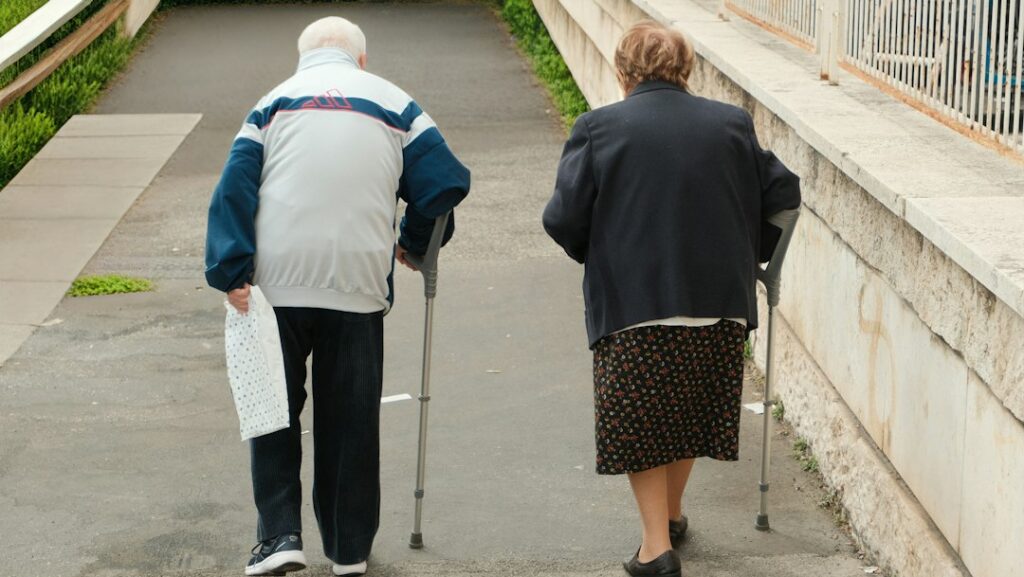
Repeated falls, near-falls, or increasing difficulty walking are significant warning signs. Even when a fall does not cause a serious injury, it may show that balance, vision, strength, medication effects, or the home environment needs attention.
Other mobility concerns include:
- Holding onto walls or furniture while walking
- Avoiding stairs, showers, or outdoor areas
- Remaining seated for long periods because standing feels unsafe
- Having trouble carrying food, laundry, or household supplies
- Using a walker or cane inconsistently or incorrectly
A sudden decline in walking ability, confusion after a fall, severe pain, weakness on one side, or trouble speaking requires urgent medical attention. Assisted living is not a substitute for emergency or skilled medical care.
Homes with steps, narrow hallways, loose rugs, poor lighting, or difficult bathroom layouts can increase risk. Winter conditions around entrances and sidewalks may also make routine activities more hazardous.
Do medication and medical tasks seem harder to manage?
Medication problems are another common early warning sign. A loved one may forget doses, take a medication twice, confuse prescriptions, run out unexpectedly, or be unable to explain what each medication is for.
Additional concerns include missed appointments, difficulty arranging transportation, failure to follow discharge instructions, or inability to recognize a worsening health problem. These issues may reflect memory changes, vision problems, depression, physical limitations, or simply an overly complicated care routine.
Families should not change prescriptions without medical guidance. A written medication review, pill organizer, pharmacy consultation, or home-based support may help in some cases. If problems continue despite these measures, a more supervised setting may provide greater consistency.
What household changes may signal declining independence?
Changes in the home often reveal problems that a loved one does not mention directly. Look for unpaid bills, unopened mail, spoiled food, overflowing trash, neglected laundry, or an unusual amount of clutter.
Kitchen safety deserves special attention. Burned pans, expired food, appliances left on, or a refrigerator that is nearly empty may suggest that meal preparation has become difficult. A person who once kept a tidy home may also stop managing basic repairs or personal hygiene.
Financial and household mistakes can have causes other than dementia. Vision loss, arthritis, fatigue, hearing problems, depression, and medication side effects may contribute. A medical evaluation can help identify treatable conditions before the family assumes that a permanent move is required.
When do memory or judgment changes become a safety concern?
Occasional forgetfulness is common with aging. More concerning changes include repeated confusion about familiar routines, getting lost in known areas, leaving doors unlocked, falling for scams, or making unsafe decisions about cooking, driving, or money.
Families may notice that a loved one:
- Misses several appointments despite reminders
- Repeats the same question throughout the day
- Cannot explain recent purchases or withdrawals
- Becomes confused about time, location, or familiar people
- Wanders outside or cannot find the way home
- Shows a major change in personality or judgment

A sudden change in confusion should be treated as a medical concern because infection, dehydration, medication reactions, stroke, or other urgent conditions can cause it. Gradual memory decline also deserves medical evaluation, but it does not automatically determine where someone must live.
Does isolation suggest that more support is needed?
Social withdrawal can be a sign that daily life has become too difficult. An older adult may stop attending religious, civic, recreational, or family activities because transportation is unreliable, walking is uncomfortable, or they feel anxious about managing in public.
Loneliness alone does not prove that assisted living is needed. It does matter when isolation occurs alongside poor nutrition, missed medications, falls, depression, or inability to manage basic tasks. A setting with regular meals, activities, and nearby support may reduce the risks associated with being alone for long periods.
Families should also consider whether the person is alone overnight, how quickly help could arrive during an emergency, and whether informal caregivers are becoming exhausted.
How can families separate a temporary problem from a lasting change?
Start by looking for patterns rather than relying on a single bad day. Keep a simple record for several weeks showing falls, missed medications, bathing concerns, driving incidents, meals, appointments, and changes in mood or memory.
Ask practical questions:
- What tasks can the person complete independently?
- What tasks require reminders, supervision, or physical assistance?
- What happens when a family caregiver is unavailable?
- Is the current home safe during winter weather or an emergency?
- Are current supports reliable, affordable, and sustainable?
- Would limited home assistance solve the problem, or is supervision needed throughout the day?
A temporary setback after illness or hospitalization may improve with rehabilitation. A steady decline, repeated emergencies, or caregiver exhaustion suggests that the household should evaluate longer-term arrangements.
What is the difference between assisted living and nursing care?
In Pennsylvania, assisted living residences and personal care homes are residential settings that provide help with daily activities and supervision. Assisted living residences may serve some people with higher care needs while supporting independence and personal choice. Nursing homes provide a higher level of medical and nursing care for people who need services that cannot safely be provided in a residential setting.
The correct setting depends on the person’s health needs, mobility, memory, behavior, medications, and ability to respond to emergencies. A person who needs occasional help with meals may need far less support than someone who requires transfers, complex medication administration, or continuous medical monitoring.
The most useful decision is not whether a loved one “looks old enough” for assisted living. It is whether the current arrangement allows that person to remain safe, nourished, medically supported, and treated with dignity.
What should happen after warning signs appear?
Begin with a calm conversation focused on specific observations rather than criticism. Statements such as “I noticed you fell twice this month” are usually more productive than “You cannot live alone anymore.”
Gather input from the person, family members, medical providers, and anyone who regularly sees the older adult. Review care needs, finances, transportation, housing safety, and personal preferences together. If immediate danger is present—such as repeated falls, wandering, unsafe cooking, or inability to take essential medication—waiting for a crisis may increase the available risks and limit choices.
Assisted living is one possible response, not an automatic requirement. Some households may benefit from home modifications, transportation help, meal support, medication assistance, adult day services, or a move closer to family. The goal is to match the level of support to the person’s actual needs while preserving as much independence as can be maintained safely.
